
How Nervous System Healing Helps Cycle Breakers Choose Something Different
Cycle breaking is not about perfection. It is about learning how to notice activation sooner, stay rooted in the present, and create enough space to choose something different. This post explores how nervous system healing helps the body update old trauma maps, build capacity, and move beyond patterns like people-pleasing, guilt, shame, hypervigilance, and overfunctioning.

Why Insight Alone Is Not Always Enough to Change Trauma Patterns
Have you ever understood exactly where a pattern came from, but still found yourself repeating it? This post explores why insight alone is not always enough to change trauma patterns, how the nervous system can hijack the rational brain, and why cycle breaking requires compassion, accountability, regulation, and embodied practice.

Why Trauma Wise Healing Is Centering Cycle Breakers
Many people believe they're the problem when they're actually the first person brave enough to challenge an unhealthy pattern. Learn what it means to be a cycle breaker, why breaking generational cycles is so difficult, and how healing involves both the mind and the nervous system.

For the Cycle Breakers: What It Means to Stop Repeating What Hurt You
Cycle breaking is not about blame. It is about noticing inherited trauma patterns, understanding how they live in the nervous system, and learning how to choose something different in your body, relationships, parenting, and life.

Part 3 | Measuring Change: Intensives vs Traditional Therapy
Healing isn’t just about “feeling better”—it’s about noticing real, measurable change. In this post, we explore how therapy intensives create faster, deeper results than weekly sessions and how progress is tracked both scientifically and personally. From fewer panic attacks and calmer mornings to lowered SUDs and improved self-belief, you’ll see how the mind and body show healing in ways you can actually feel—and measure.

Part 2 | Inside the Intensive: Modalities That Make Healing Stick
Not all therapy intensives are created equal—and that’s a good thing.
Each person’s nervous system, history, and healing goals are unique, which is why I tailor every intensive to the individual.
At Trauma Wise Healing, intensives weave together bottom-up approaches (that calm the body and regulate the nervous system) and top-down approaches (that bring clarity, understanding, and integration). Before beginning, I use a blend of conversation and clinical screeners—like the PHQ-15, PCL-5, GAD-7, DES-II, ACE, MID v6, and SDQ-20—to get a clear picture of what your brain and body need.
From there, we create a plan that combines evidence-based modalities like EMDR, ART, Somatic Therapy, Parts Work, and CBT/DBT skills—so your brain and body can finally work with each other, not against each other.
When the nervous system feels safe, healing can finally stick.
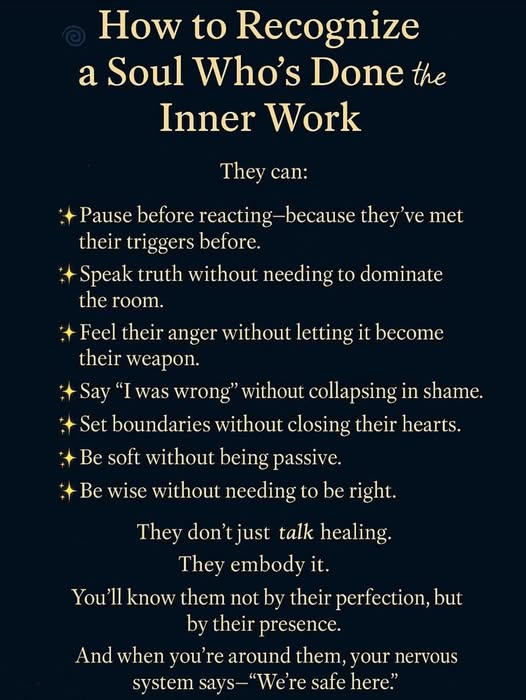
The Quiet Power of Those Who’ve Done the Inner Work
High-performing doesn’t always mean emotionally grounded. Discover the subtle yet profound traits of those who’ve done the inner work—and why your nervous system feels safe around them.
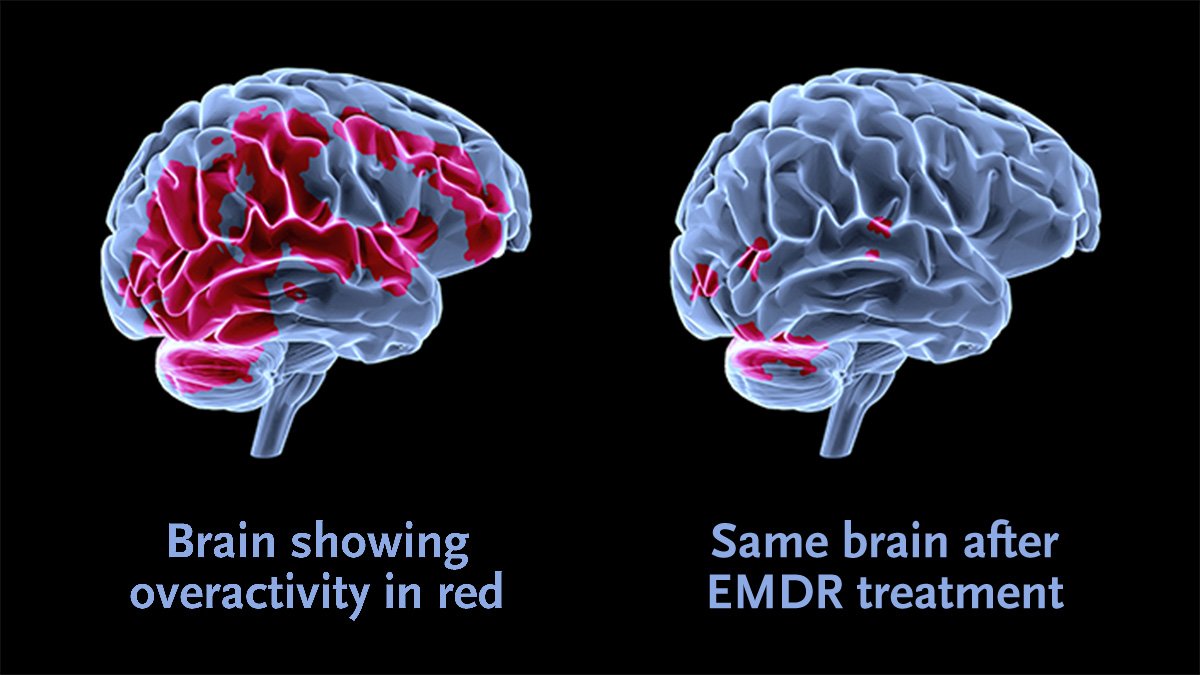
EMDR Therapy: The Science-Backed Tool for Healing Trauma & Rewiring the Brain
EMDR is a powerful, evidence-based therapy that helps reprocess unresolved trauma and emotional distress—without needing to relive it. Learn how it works, the science behind it, and why it can be used alongside your current therapist to target specific issues and accelerate healing.