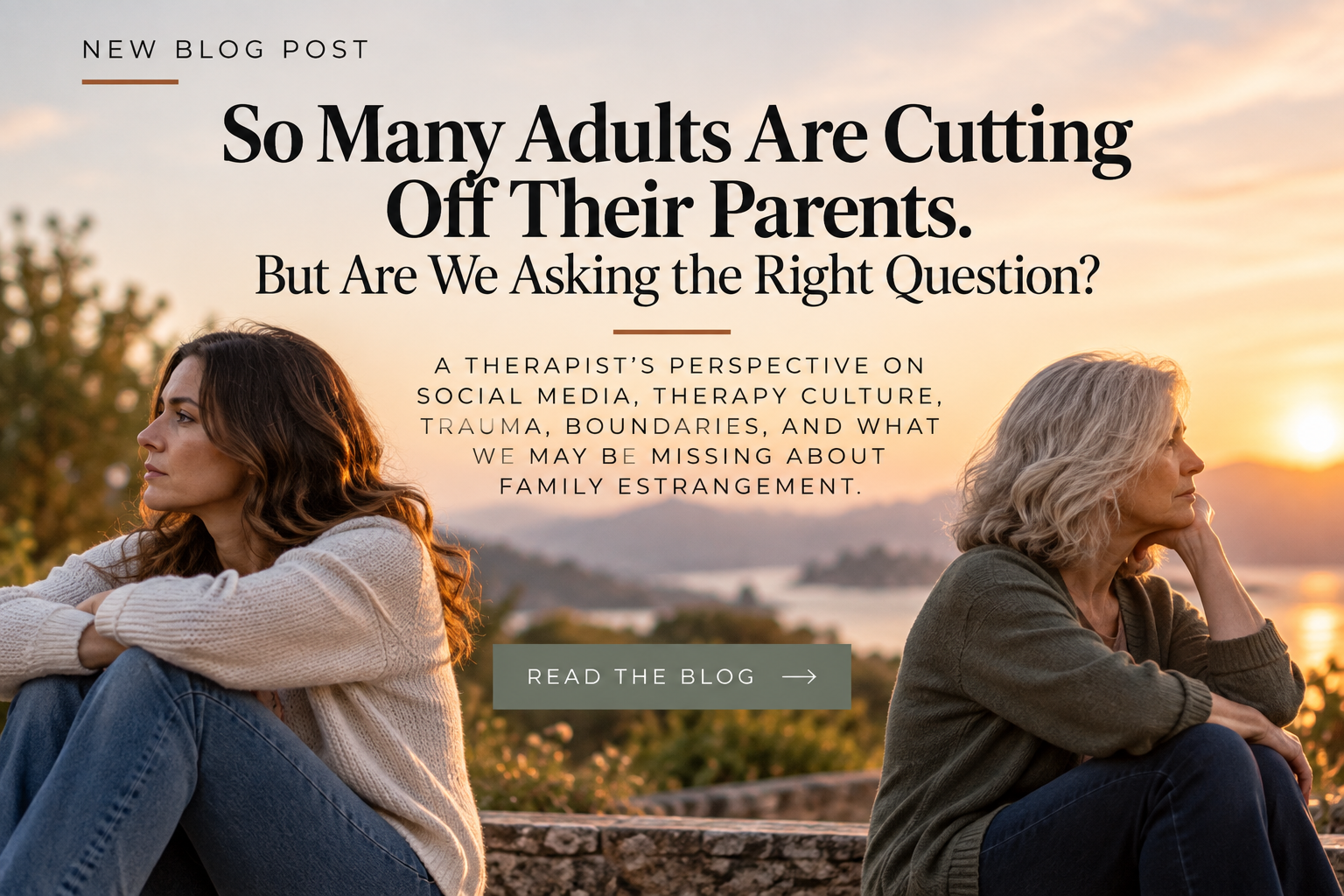
So Many Adults Are Cutting Off Their Parents. But Are We Asking the Right Question?
Why are so many adult children cutting off their parents? The answer may be more complicated than either side wants it to be. In response to a recent Wall Street Journal article, LCSW Sarah Benitez-Zandi explores social media, therapy culture, boundaries, trauma language, changing family expectations, and whether our growing emphasis on individual well-being has come at the expense of healthy interdependence.
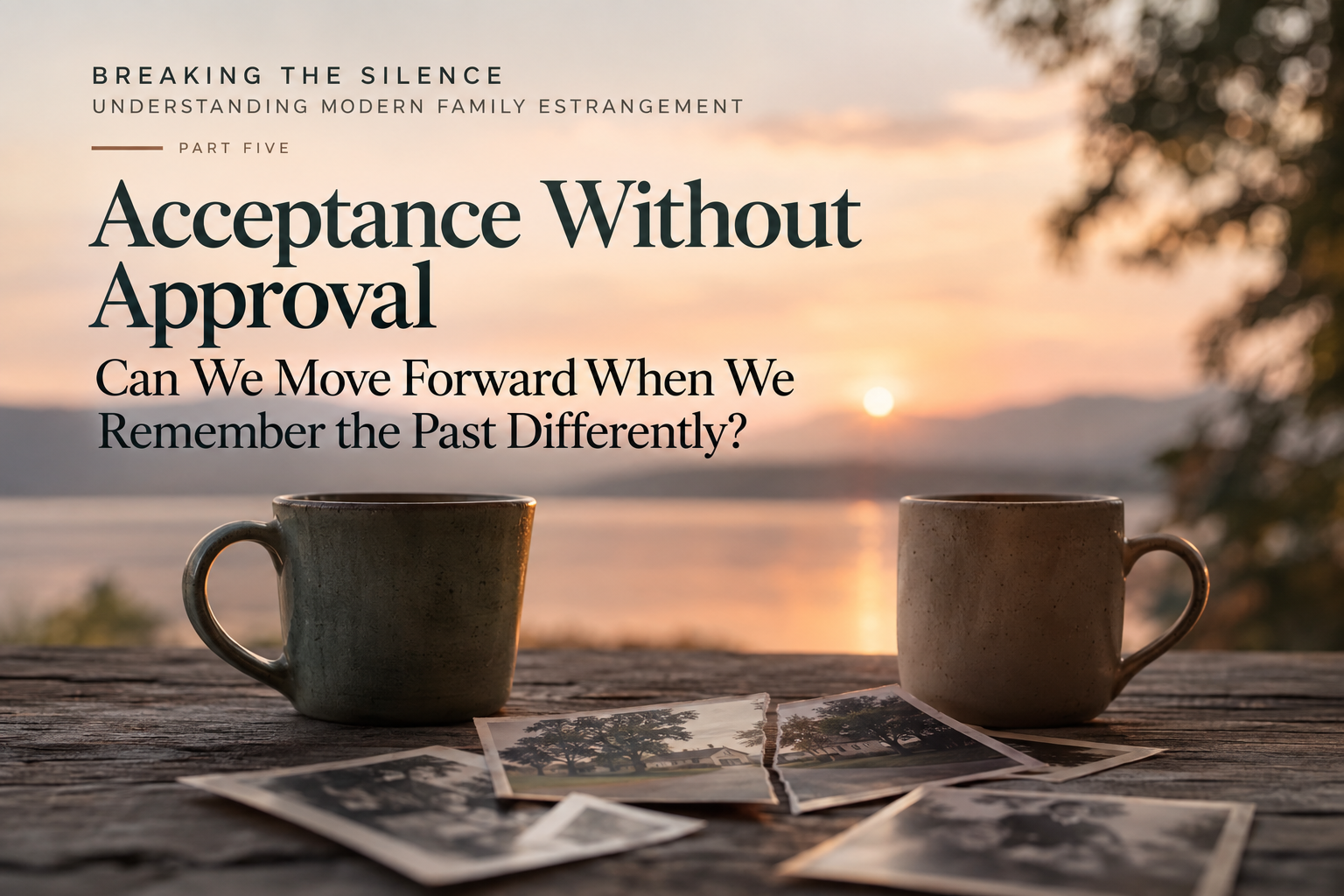
Acceptance Without Approval: Can We Move Forward When We Remember the Past Differently?
Two people can grow up in the same family and remember their shared history entirely differently. Does reconciliation require agreement about what happened, or can parents and adult children acknowledge each other's experiences without abandoning their own? Part Five of Breaking the Silence explores accountability, emotional validation, boundaries, and what it really takes to rebuild a relationship without recreating the one that brought you here.
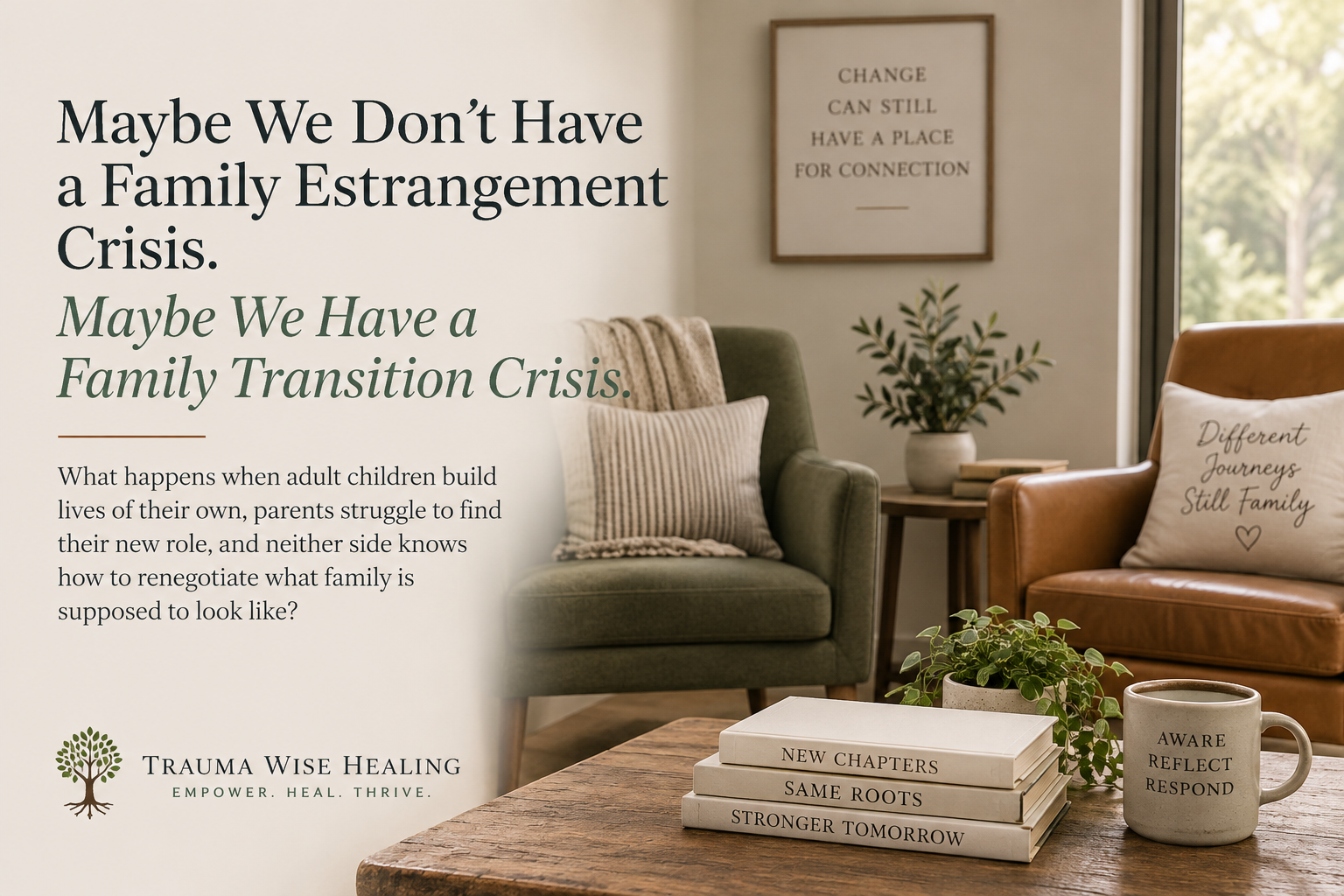
Maybe We Don’t Have a Family Estrangement Crisis. Maybe We Have a Family Transition Crisis.
What if some of what we are calling a family estrangement crisis is actually a family transition crisis? When children become adults, families have to renegotiate closeness, independence, boundaries, holidays, money, grandchildren, and what they expect from one another. Sometimes everybody is hurting and nobody is the villain.
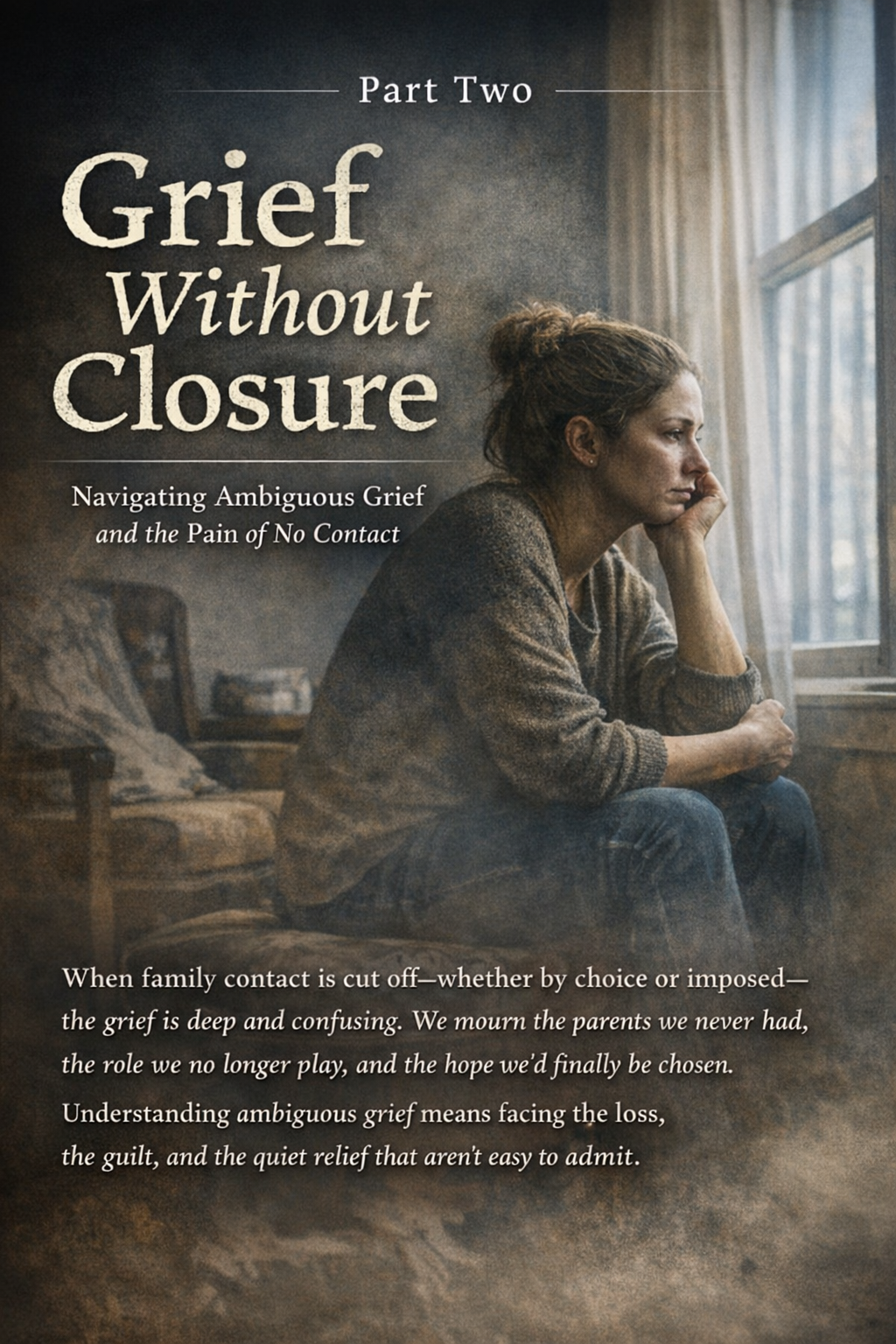
Part Two: Grief Without Closure — Understanding Ambiguous Grief
What do you call grief when no one has died, but the relationship no longer exists?
This post explores ambiguous grief in family estrangement, whether no-contact is chosen or imposed. We unpack the guilt, shame, relief, and identity loss that surface when stepping out of dysfunction, and why grief without closure deserves language and compassion.
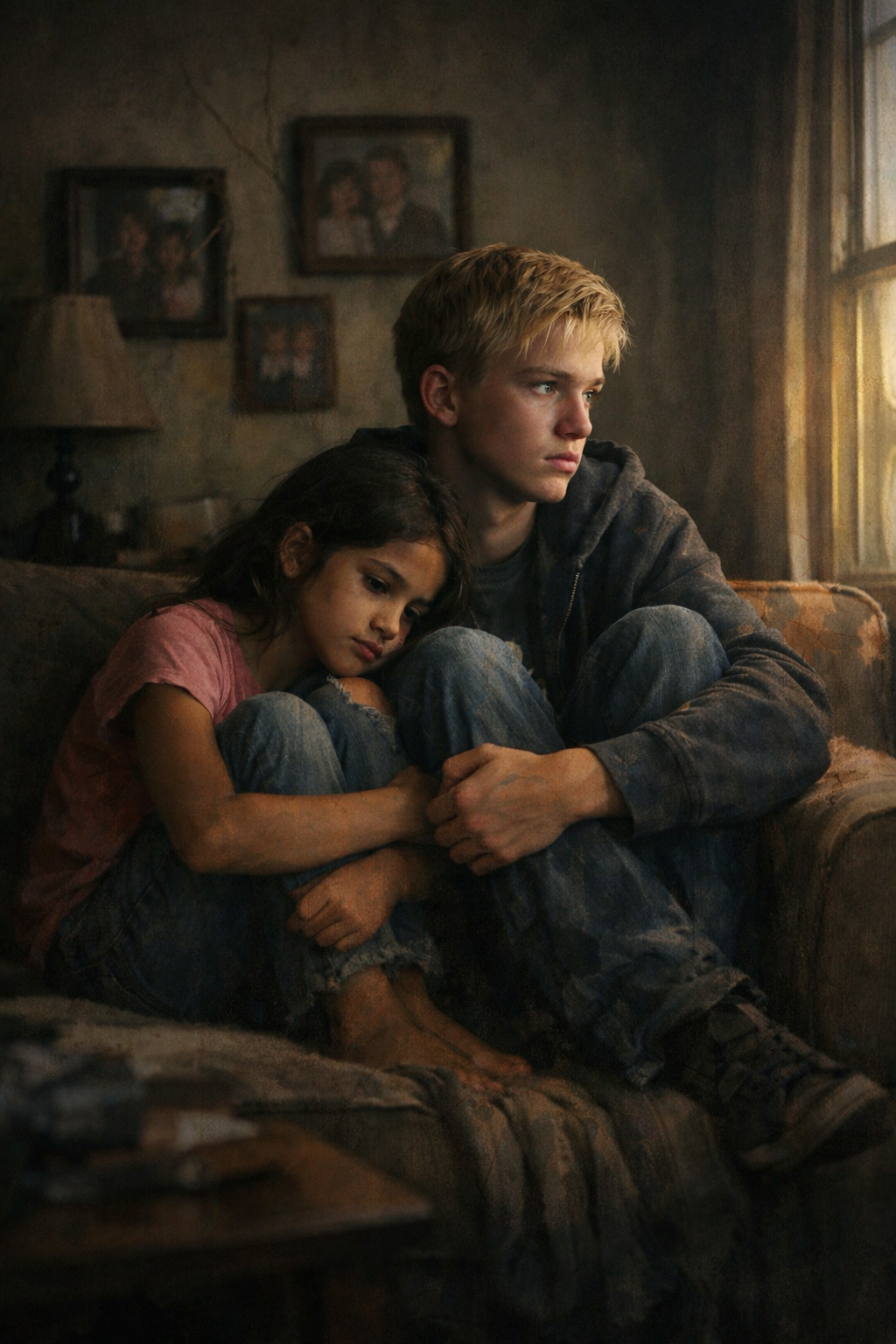
Part One: The Childhood We Were Promised, and the One We Lived
We’re taught that family should be forgiven no matter the harm, that blood excuses everything, and that love means endurance. But for many people, childhood was not safe, and forgiveness was demanded without accountability or change. This piece explores the grief, nervous system impact, and boundary confusion that grow out of family-of-origin trauma—and why telling the truth is often the first act of healing.